The Art and Science of Modern Tooth Replacement
Missing teeth represent far more than a cosmetic concern for patients. The absence of even a single tooth can trigger a cascade of functional complications, from difficulty chewing and speaking to bone loss and shifting of adjacent teeth. Fortunately, contemporary dental implantology has evolved into a sophisticated discipline that addresses both the practical and aesthetic dimensions of tooth loss. Through meticulous planning and precise execution, dental professionals such as a private dentist in Manchester now restore complete oral function whilst simultaneously recreating the natural appearance of healthy dentition.
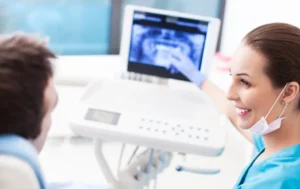
The transformation begins with a comprehensive assessment of each patient’s unique circumstances. Factors such as bone density, gum health, bite alignment, and overall medical history all influence the treatment approach. A private dentist will typically employ advanced imaging technologies to map the jaw structure in three dimensions, enabling precise planning of implant positioning. This preparatory phase proves crucial to achieving optimal outcomes, as strategic placement determines both the stability of the restoration and its integration with surrounding tissues.
Understanding the Implant Foundation
Dental implants function as artificial tooth roots, typically constructed from biocompatible titanium that fuses with the jawbone through a process called osseointegration. This remarkable biological phenomenon allows the implant to become a permanent fixture within the bone, providing a stable foundation for prosthetic teeth. The fundamentals of dental implant design have been refined over decades of clinical research, resulting in success rates that now exceed ninety per cent in suitable candidates.
The positioning of these titanium posts requires careful consideration of multiple factors. Dental professionals must account for the angulation of neighbouring teeth, the distribution of biting forces, and the aesthetic requirements of the final restoration. In cases involving multiple missing teeth, implants may be strategically placed to support bridges or dentures, reducing the total number of surgical sites whilst maintaining comprehensive support across the dental arch.
The Osseointegration Process
Following surgical placement, a healing period of several months allows the bone to grow around and bond with the implant surface. During this critical phase, patients typically wear temporary restorations that protect the healing sites whilst maintaining appearance and basic function. The duration of osseointegration varies depending on individual healing capacity and the location within the jaw, with lower jaw implants generally integrating more rapidly than those in the upper arch.
Prosthetic Design: Where Function Meets Artistry
Once osseointegration is complete, the focus shifts to the creation of prosthetic teeth that replicate both the function and appearance of natural dentition. Modern dental prosthetics represent a convergence of materials science, biomechanics, and aesthetic artistry. Ceramics and porcelain compounds now mimic the translucency and colour variations found in natural enamel, whilst their physical properties withstand the considerable forces generated during chewing.
The design process begins with detailed impressions and shade matching, ensuring that replacement teeth blend seamlessly with any remaining natural teeth. Digital technologies have revolutionised this phase, allowing practitioners to design restorations with computer-aided precision. These digital workflows enable visualisation of the final result before fabrication begins, facilitating adjustments that optimise both comfort and appearance. The aesthetic considerations in implant dentistry extend beyond tooth colour to encompass gum contours, tooth proportions, and the subtle irregularities that characterise authentic-looking restorations.
Customisation for Individual Needs
Each prosthetic restoration is tailored to the patient’s specific requirements. Single tooth replacements typically consist of a crown attached to an abutment that connects to the implant. For multiple missing teeth, options include individual implant-supported crowns, fixed bridges spanning several teeth, or implant-retained dentures that offer stability superior to traditional removable appliances. The choice depends on factors including the number and location of missing teeth, bone quality, and patient preferences regarding maintenance and investment.
Experience demonstrates that implant-supported restorations significantly improve quality of life by restoring the ability to eat a varied diet, speak clearly, and smile with confidence. The functional benefits extend to preserving facial structure, as implants stimulate the jawbone like natural tooth roots, preventing the bone resorption that typically follows tooth loss.
Long-Term Success and Maintenance
The longevity of implant restorations depends significantly on proper maintenance and regular professional oversight. Patients must maintain excellent oral hygiene, as the tissues surrounding implants remain susceptible to inflammation and infection. Regular check-ups allow dental professionals to monitor the integration, assess the condition of prosthetic components, and address any concerns before they develop into complications. With appropriate care, implant restorations can function effectively for decades, representing a durable solution to tooth loss that restores both the practical and aesthetic aspects of a complete smile.